You have a quote in hand, the venue is booked, and the event is real. Then you open the contract and hit a wall of terms you've never had to think about before. This happens to planners at every experience level, and it happens most often right now, in May, when wedding season and graduation season converge and everyone is signing agreements under time pressure.
Stage rental negotiation is not about squeezing a vendor. It is about understanding which terms are fixed, which ones have flexibility, and what questions to ask before you sign anything.
This post walks through the actual components of a stage rental agreement in the Orlando market, where the real leverage points are, and what to watch out for so you're not caught off guard on event day.
What a Stage Rental Contract Actually Covers
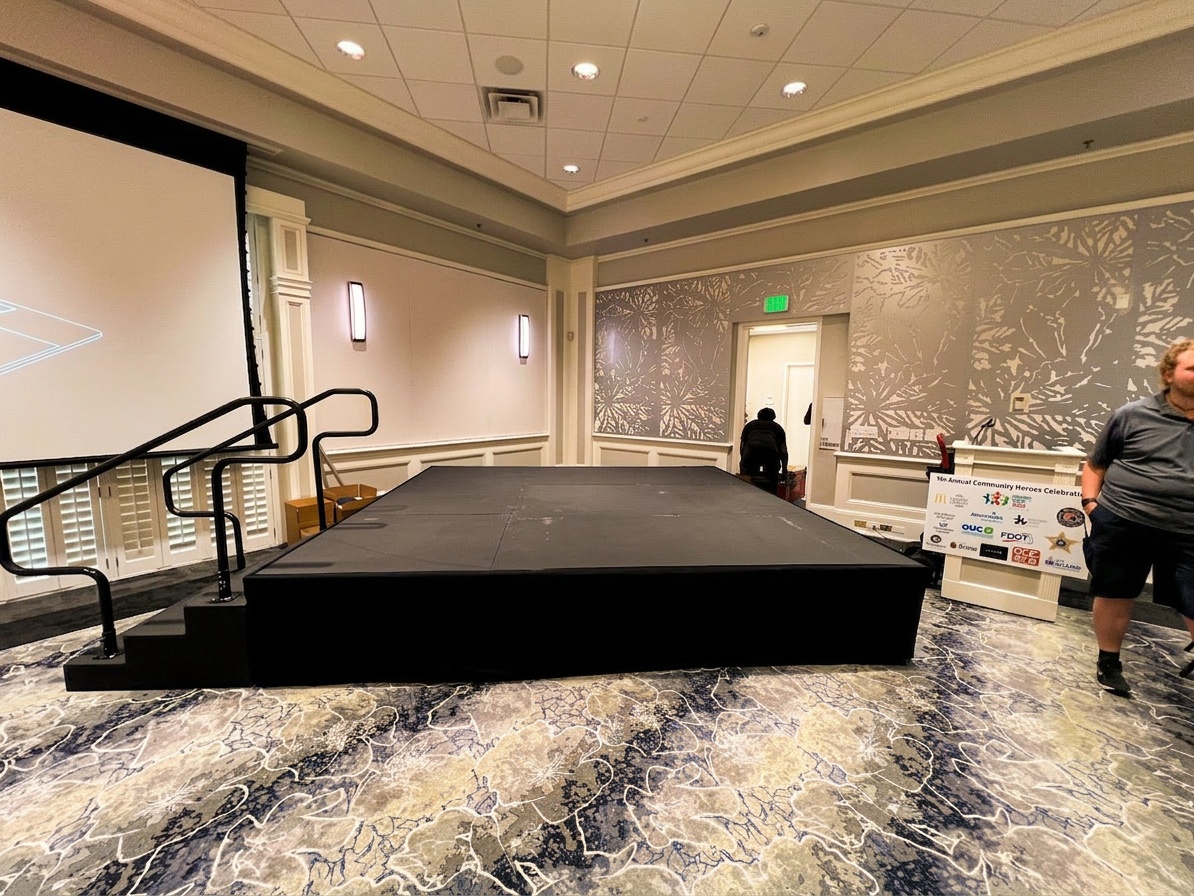
A solid stage rental contract is more than a price and a date. It should spell out the scope of work in specific detail: the stage dimensions, configuration, height, and any add-ons like guard rails, stairs, skirting, or pipe and drape. If those details are vague, the contract leaves too much room for misunderstanding.
Delivery and pickup windows, setup times, and strike times are equally important. We learned this firsthand during a multi-day install at the Celeste Hotel in Winter Park for the Mastoris wedding. The install ran on the 23rd and the strike wasn't until the 25th, which required specific language in the agreement about when our crew had access, how the stage would be secured between those dates, and who held responsibility for the space during that period. Without clear scheduling terms, a two-day gap like that creates real liability questions for both sides.
If you want to understand what drives the numbers on your quote before you get to the contract stage, our Orlando stage rental pricing guide walks through every factor that affects what you pay.
Access requirements and liability language are the other pieces that round out a well-written contract. Who's responsible if venue access is delayed? Who handles permits? What does the liability split look like if something goes wrong on setup day? Those questions should all have written answers before you sign.
Payment Schedules and Deposit Terms
The most common structure we see in Orlando event rental agreements is 50% at booking and the remaining 50% due before delivery. That split works well for most events, but it's worth asking about before you sign.
For larger builds, the deposit timeline can shift. Our install at Gaylord Palms for the Patel event is a good example. Hotel venues like Gaylord Palms have their own vendor access protocols, and confirming those access windows early isn't optional. That kind of coordination often means the rental company needs earlier confirmation from you, which can move the second payment earlier as well. Knowing that up front prevents surprises.
One genuine leverage point here is bundling. When you add audio, lighting, or pipe and drape to a single contract rather than sourcing them separately, you eliminate vendor coordination complexity on our end. That matters, and most vendors know it.
Our stage rental packages page shows what bundled options look like and which combinations planners use most often.
Ask whether bundling affects the payment schedule, because sometimes it does. And always ask whether the deposit is refundable, partially refundable, or non-refundable outright. Those three answers mean very different things.
Cancellation Policies: Know the Difference Between Cancel and Reschedule
Most clients skim the cancellation clause and assume it covers everything. It usually doesn't. There's a meaningful difference between a cancellation and a reschedule, and the contract should treat them differently.
A cancellation typically means you're forfeiting the event entirely. Depending on how close to the event date you cancel, that often means losing part or all of your deposit. A reschedule means you're moving the date and want your deposit to transfer. Many vendors allow this within certain windows, but only if the contract language specifically permits it.
Florida weather adds a layer that planners in other markets don't have to think about. If you're running an outdoor event and a storm system forces a date change, you want the contract to treat that as a reschedule rather than a cancellation. Ask your vendor directly: does a weather-related date change trigger the cancellation clause or the reschedule clause? Get the answer in writing. Seriously.
Our post on hurricane season stage planning goes deeper on how to build weather contingency into your event logistics.
The distinction matters most during Florida's June through November weather window, but spring events face afternoon storms too. Don't wait until a weather app shows 60% chance of rain to find out what your contract actually says.
The Real Leverage Points When Negotiating
Understanding where you have negotiating room changes the whole conversation. Here are four levers that actually work, along with an honest note about where vendors won't budge.
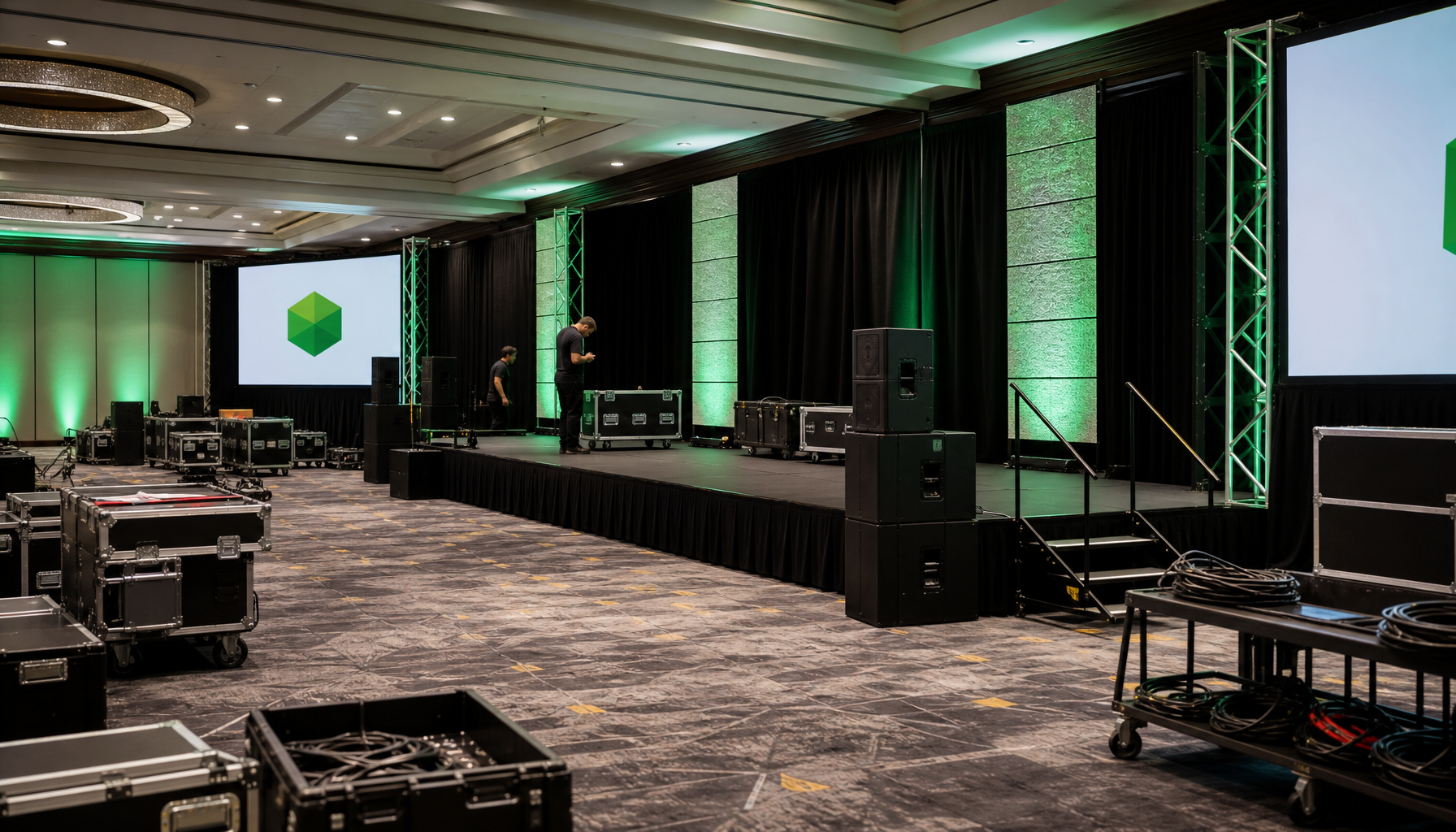
Booking lead time. Locking in your date 8 to 12 weeks out gives you more flexibility on add-ons. When our schedule has breathing room, we have more ability to work with clients on the details. A last-minute booking in a busy season leaves less room for either side to move. Most vendors won't discount the base rental rate during peak weeks in May and June, so this is the window where your best leverage is on scheduling flexibility and add-on terms, not the bottom-line rate.
Bundling services. Adding audio, lighting, or pipe and drape in a single contract reduces our coordination overhead. That simplification has real value. If you're planning to source those items from multiple vendors anyway, consider whether consolidating with one provider changes your total cost and your contract complexity. It often does.
Multi-event relationships. If you're a recurring planner who books multiple events per year, say so up front. Vendors who know they're working with someone who'll be back are more likely to build a relationship rather than treat each event as a one-time transaction.
Flexible delivery windows. This one is underused. Our Perry install in Apopka is a good example. Regional events outside the core Orlando market involve real mileage and routing logistics. When a client can offer early venue access the evening before setup, it lets us schedule the crew run more efficiently and reduces our labor cost. That kind of flexibility creates natural room to have a conversation about pricing. Ask your venue what early access looks like, then bring that window to your rental vendor.
And if a vendor won't move on anything? That's useful information too. A second quote from a comparable provider will tell you quickly whether you're dealing with a firm market rate or just a firm vendor.
Venue-Specific Contract Clauses to Watch For
Hotels and managed venues in Orlando operate on their own rules, and those rules have to show up in your rental contract. Certificate of insurance requirements, approved vendor lists, load-in procedures, elevator access restrictions, and union labor rules are all venue-driven terms that affect how a stage rental is scheduled and priced.
Our Gaylord Palms install required close coordination with the hotel's event operations team before our crew arrived on site. Properties at that scale have specific windows for vendor access, and if your rental contract doesn't explicitly name the approved access window and assign responsibility when the venue delays access, you've got a gap that could cost you on event day.
Our scheduling details page explains how we coordinate access and timing on venue-specific installs.
Ask your rental vendor if they've worked at your venue before. If they have, they likely know the access procedures already. If they haven't, confirm the contract names the venue access window and specifies what happens if the venue delays access. That single clause has saved more than one event we've been part of.
Red Flags in Event Rental Agreements
A few contract issues come up often enough that they're worth flagging directly.
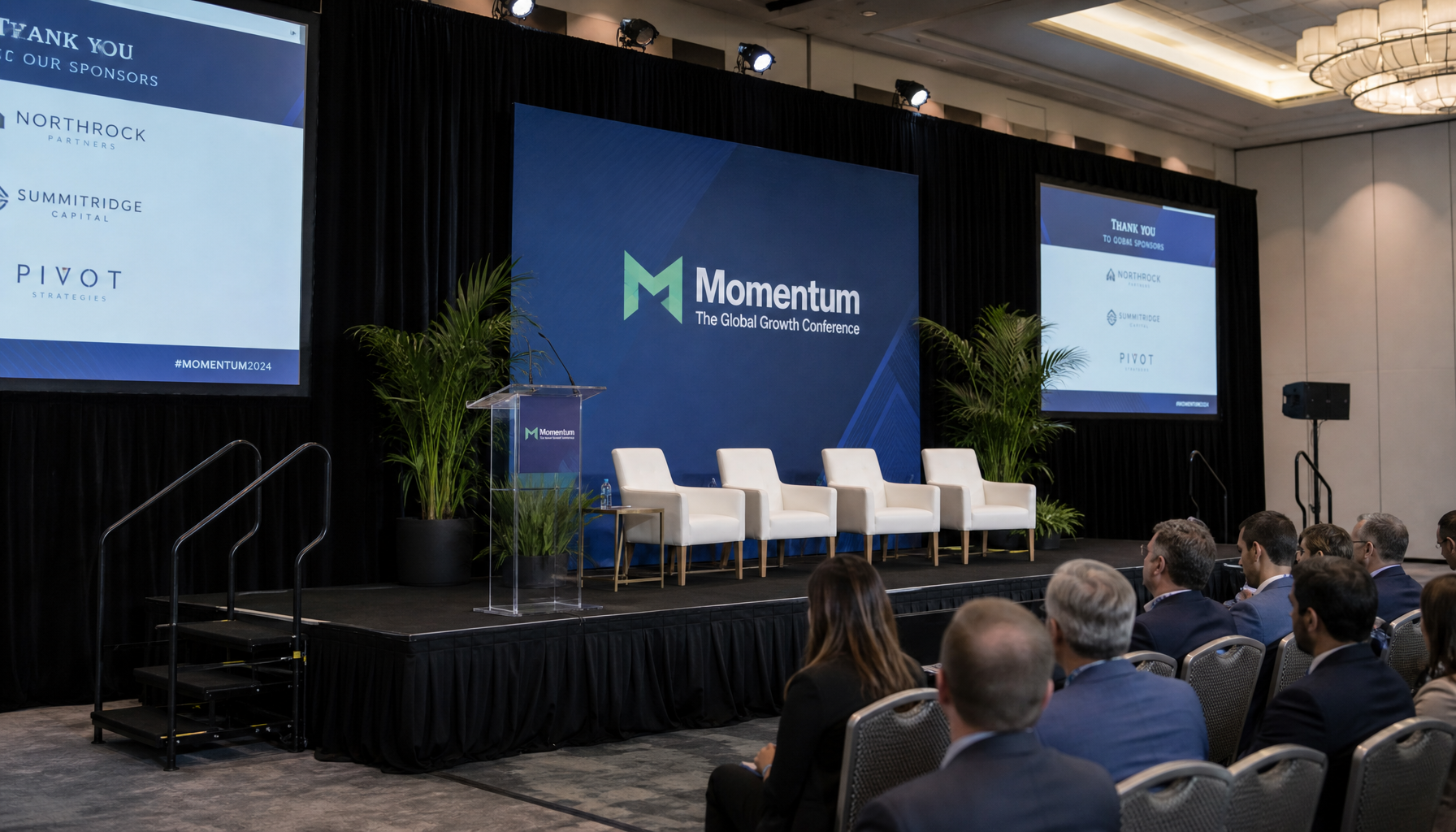
Vague scope. If the contract doesn't specify stage dimensions, height, and configuration, you have no way to hold the vendor to what you discussed.
Missing delivery window. "Day of event" is not a delivery window. The contract should name a specific arrival time range.
No force majeure or weather clause. In Central Florida, this isn't optional language. Any outdoor event contract should address weather-driven date changes explicitly.
Deposit forfeiture on any date change. A contract that treats a reschedule the same as a cancellation is worth pushing back on. Vendors who care about the relationship usually distinguish between the two.
No itemized breakdown of add-ons. If audio, lighting, stairs, and skirting are bundled into a single line item, you can't verify what you're actually getting. Ask for itemization.
Know Your Terms Before You Sign
The planner who understands their contract walks into a negotiation knowing exactly where the flexibility is and where it isn't. That knowledge saves time, prevents disputes, and almost always leads to a better outcome for both sides.
We work with planners at all stages of the process, from first quote to final strike, and we're happy to walk through contract terms before you commit. Use our stage size calculator to get your specs dialed in, then reach out to get a quote and we'll review the terms together. If you're ready to lock in a date, you can reserve your stage rental directly.
No hidden terms. Just a straight conversation about what your event needs.