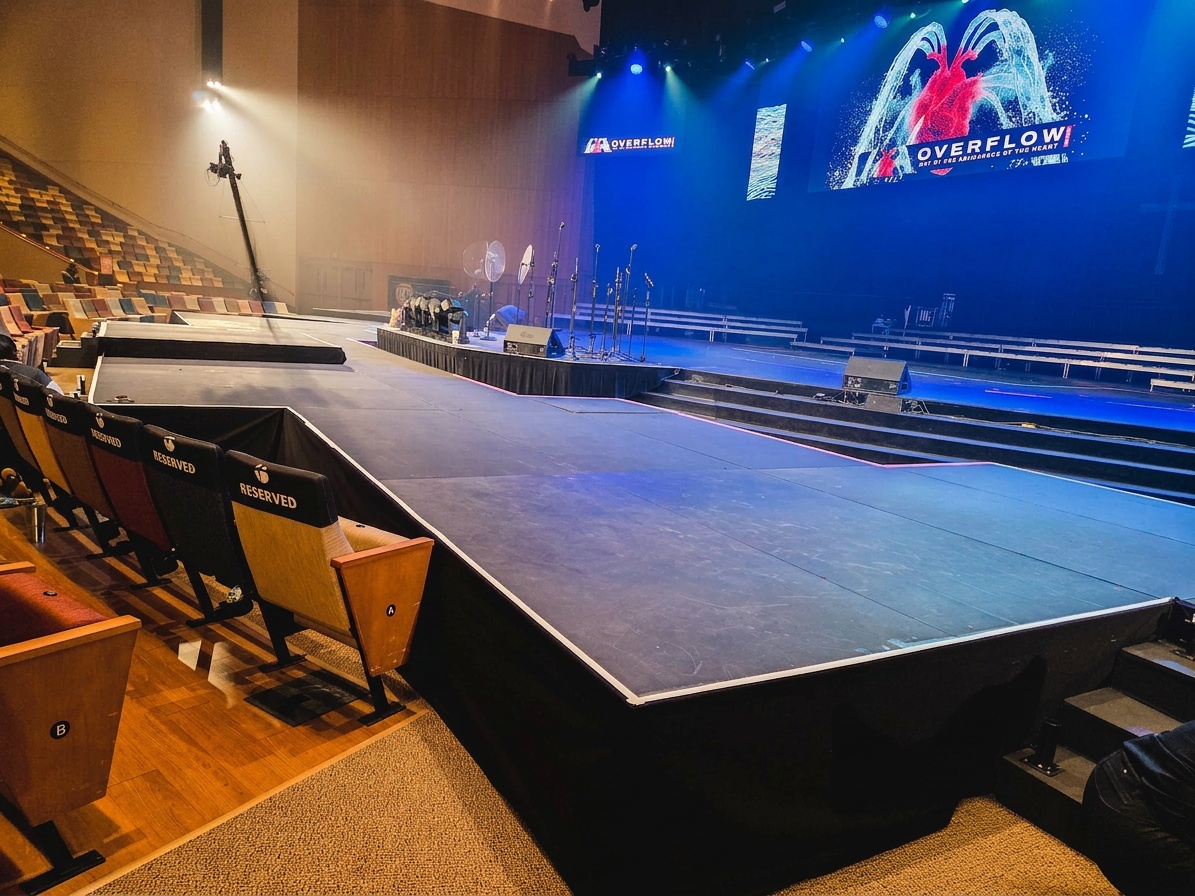
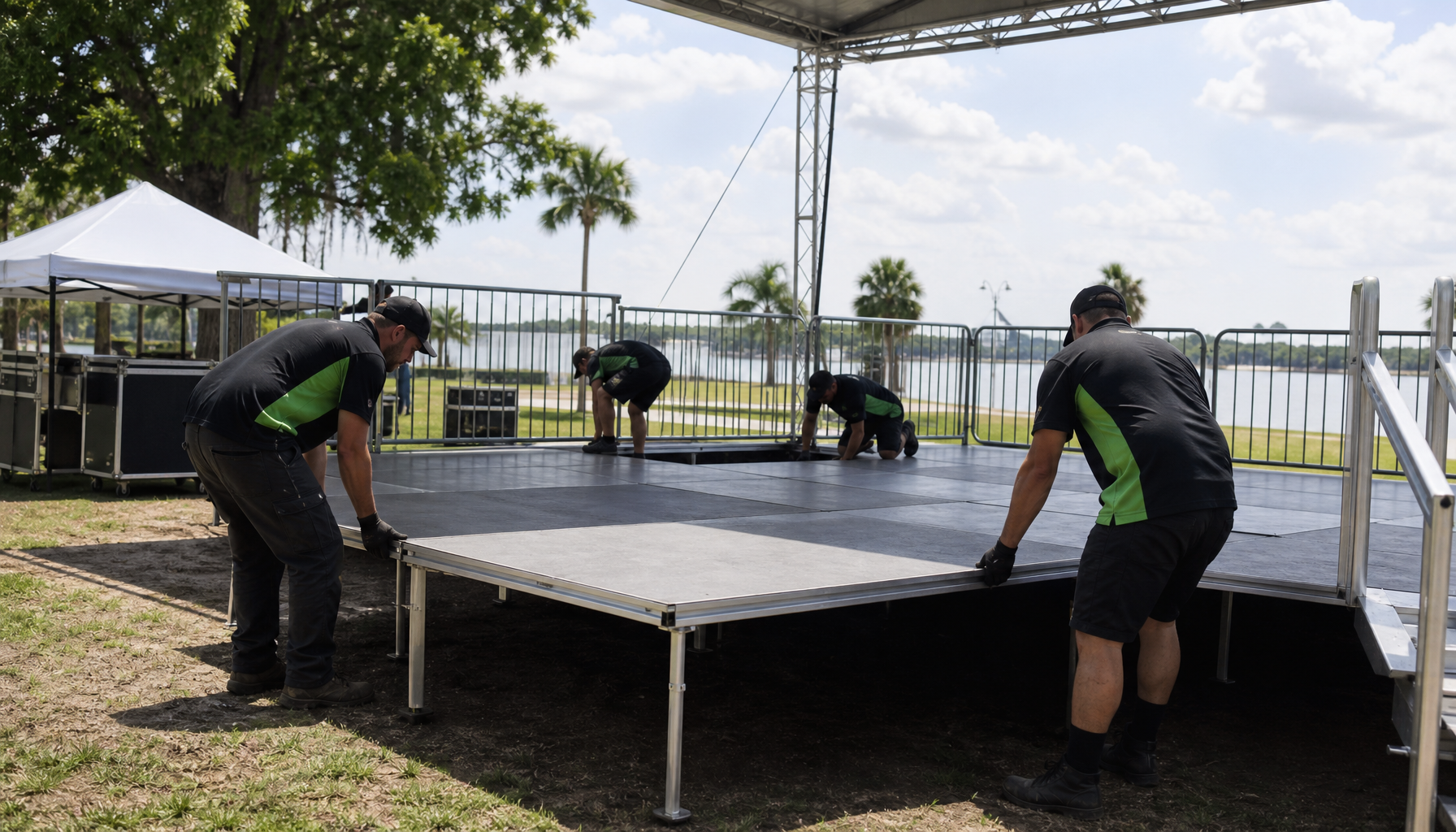
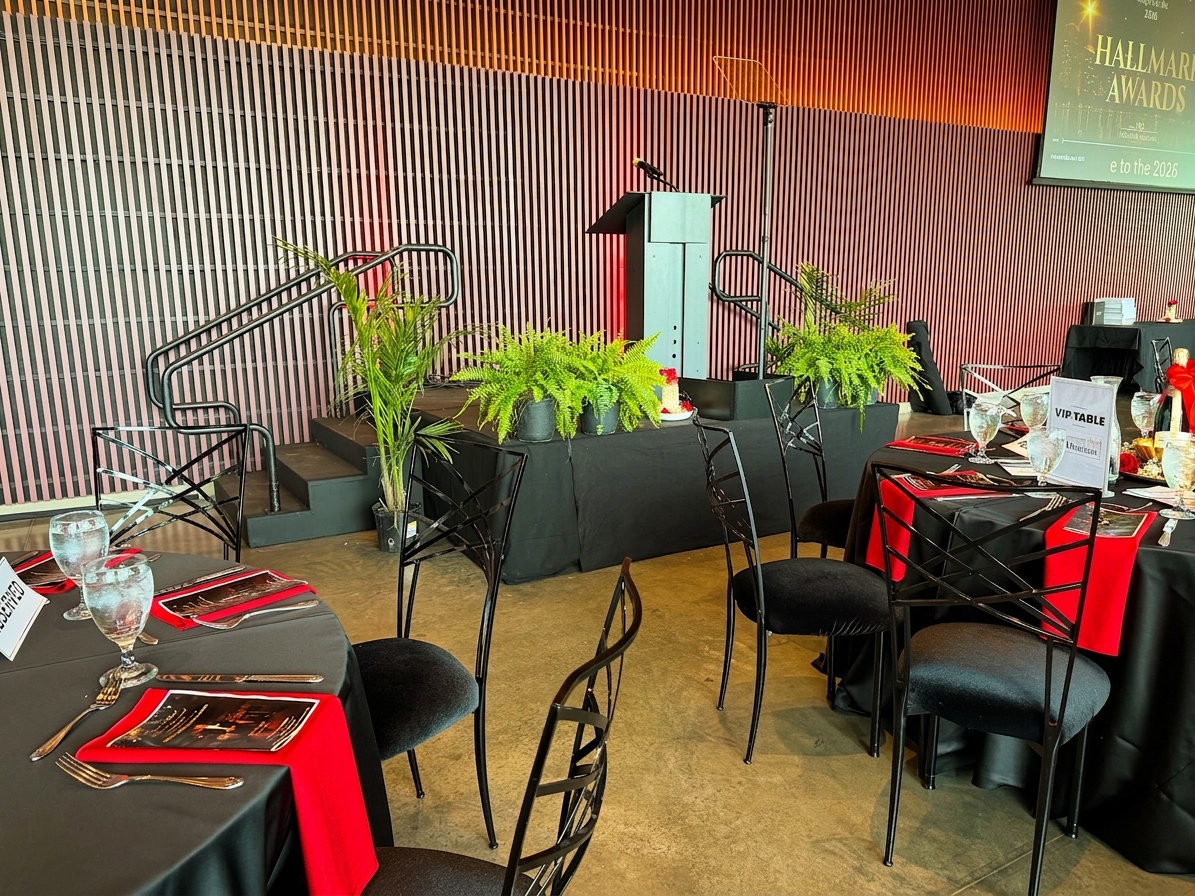
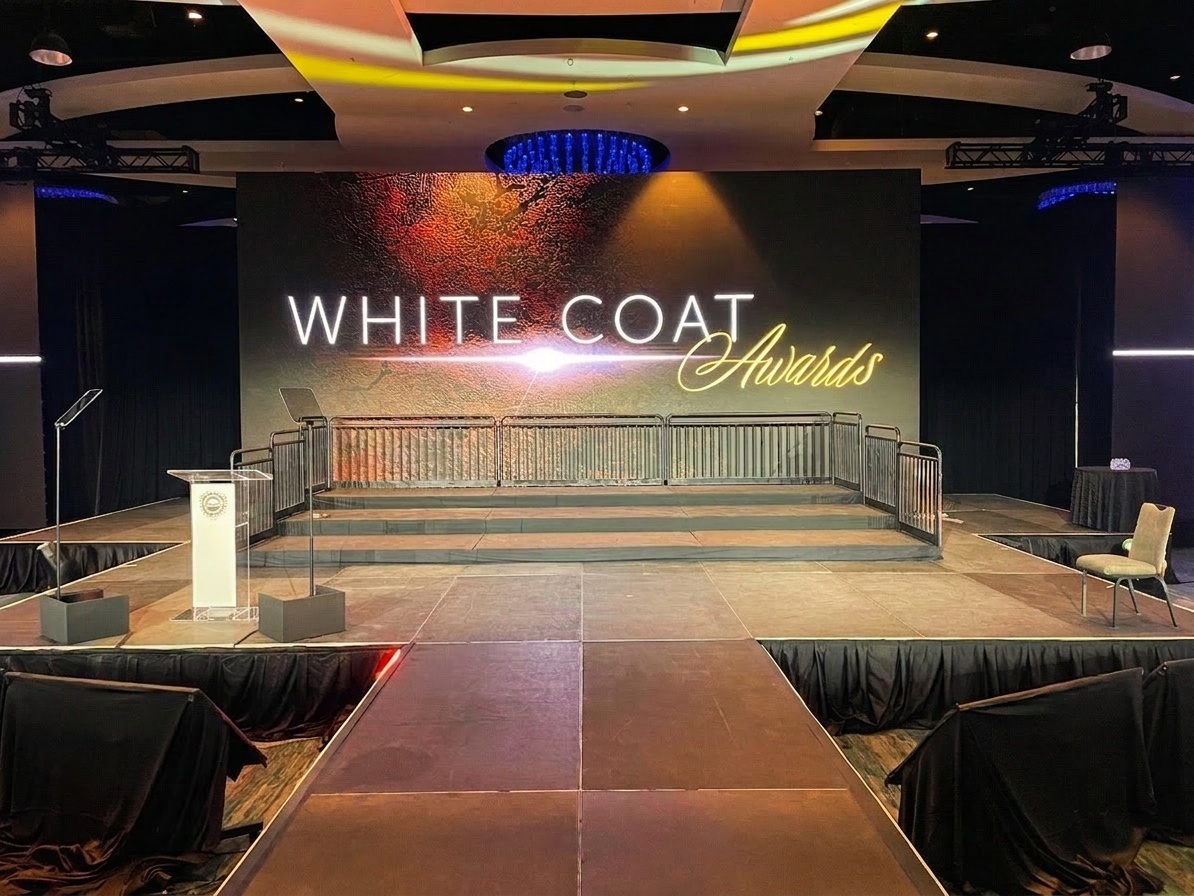
Orlando Stage Rental

Bands, Runways, Speaking Engagements, Award Ceremonies, Schools

Call Now! 407-442-0254

  • About
    • Blog
  • Pricing
  • Packages
    • Audio Packages
    • Stage Lighting
  • Contact
  • Reserve
  • Stage Sizes
    • 8ft Stage Sizes
    • 12ft Stage Sizes
    • 16ft Stage Sizes
    • 20ft Stage Sizes
    • 24ft Stage Sizes
  • Stage Rentals
    • Speaking Stage Rental
    • Single Performer Stage Rental
    • Concert Stage Rental
    • Round Stage Rental
    • Performance Staging Rental
    • Graduation Stage Rental
    • Wedding Stages
  • Runway
  • Pipe / Drape
  • Audience Riser
  • Pool Cover
  • Tent Floor
  • Camera Riser
  • Stage Accessories
    • Stair Rental
    • Ramp Rental
    • Dancefloor Rentals
    • Barricade Crowd Control Rental
    • Podium Rental

Audience Risers and Bleacher Staging: Maximizing Event Visibility

April 20, 2026 by admin

Audience risers and bleacher staging are one of the most effective ways to improve visibility at live events, presentations, and performances. Whether you’re hosting a conference, corporate meeting, graduation, or live show, proper tiered seating ensures every attendee has a clear line of sight to the stage.

Without elevated seating, guests in the back rows often struggle to see, leading to a less engaging experience. Audience risers solve this by creating a structured layout where each row is slightly higher than the one in front, improving visibility across the entire space.

In this guide, we’ll break down how audience risers and bleacher staging work, when to use them, and how to choose the right setup for your event in Orlando and surrounding areas.

How Audience Risers Actually Work: Configurations and Capacities

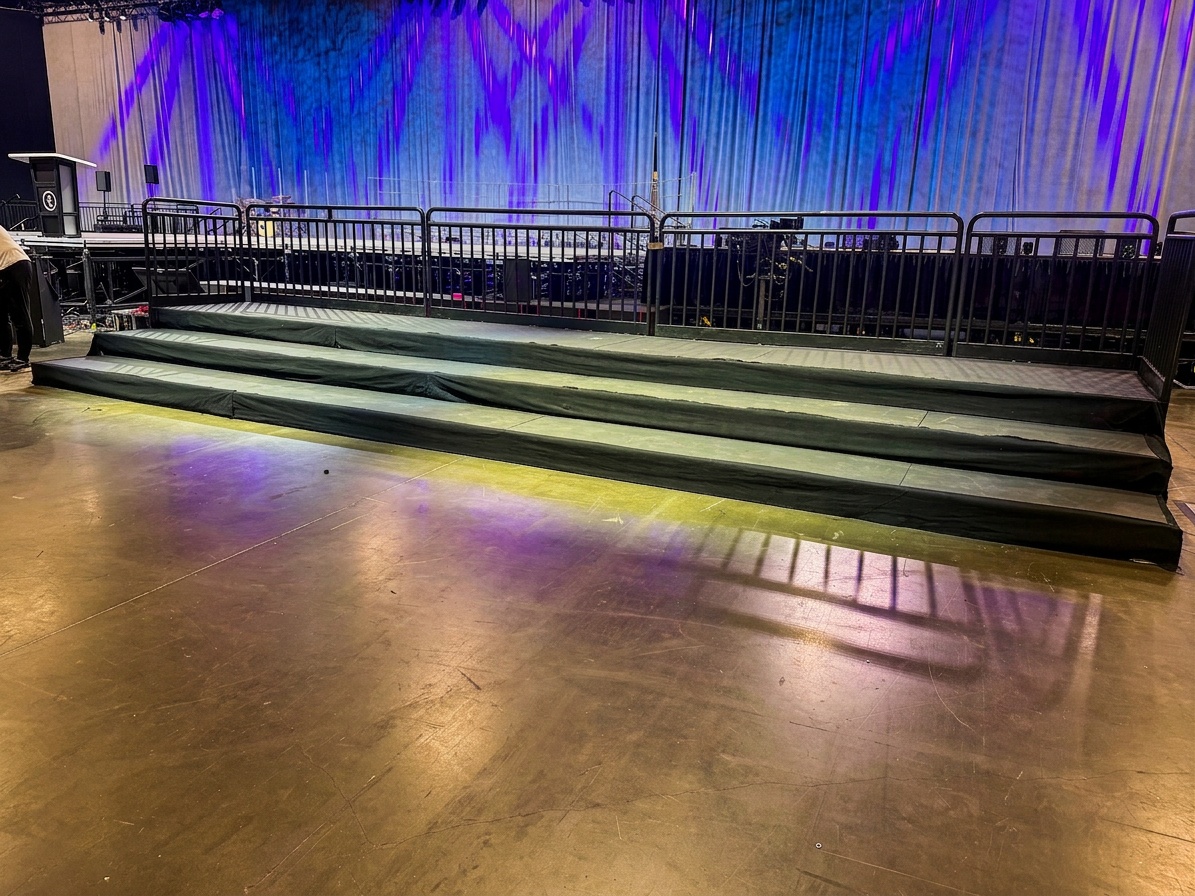
Audience risers are modular tiered platforms that elevate rows of seating progressively higher. Each tier typically rises 8 to 12 inches above the previous one, creating stair-step seating where every row has a clear view over the row in front. We build these configurations in sections that interlock, allowing us to create custom layouts for any venue size or shape.

The most common riser configurations we install fall into three categories. Single-tier setups work well for smaller events (50 to 100 attendees) where you need modest elevation, usually one or two levels at 8 inches each. Multi-tier configurations handle larger audiences, 100 to 300-plus people, with three to five tiers, each progressively taller. Custom layouts combine risers with flat floor seating or wrap around stages for 360-degree visibility at concerts and performances.

Each riser section supports specific weight capacities based on its construction. Our standard 4-foot-deep risers handle approximately 125 pounds per square foot, which translates to comfortable seating density without overloading the structure. When we configure risers for an event, we calculate total capacity based on the number of tiers, the depth of each platform, and whether attendees will sit in chairs or stand.

At the Perry event in Apopka in late February 2026, we installed a five-tier configuration that accommodated about 200 attendees. The venue had relatively low ceilings, so we kept tier heights at 8 inches to maintain comfortable head clearance on the back row. Even with that conservative approach, every seat had an unobstructed view of the stage. The event planner told us afterward that audience engagement was noticeably higher than previous years when they used flat floor seating, likely because attendees could actually see the speakers’ faces and presentation screens clearly.

Event Applications: Where Risers Make the Biggest Impact

Some events genuinely need tiered seating to function properly. Dance competitions top that list. At recent setups for Valencia and UCF venues, we configured risers so parents and judges could see dancers’ footwork and formations from elevated positions. When you’re watching 30 dancers execute synchronized choreography, being able to see the back row matters. Flat floor seating turns half the audience into neck-crane victims who miss details.

Graduation ceremonies run a close second. We’ve set up audience riser rental packages for high schools and colleges throughout Central Florida, and the pattern holds: families want to see their graduate walk across the stage, not just the back of someone’s head. Risers let us fit more attendees in venues with limited space while improving visibility for everyone. The alternative is overflow rooms with video feeds, and nobody prefers that.

Corporate presentations and speaking events benefit from risers in different ways. When you have 100-plus attendees watching a keynote or panel discussion, tiered seating creates an amphitheater effect that focuses attention on the stage. At the Ralph event in Tampa in February 2026, we configured risers for a business conference with breakout sessions. The client specifically requested layouts that would allow attendees in back rows to see presentation slides clearly without digital zoom. Three tiers at 10 inches each solved that problem completely.

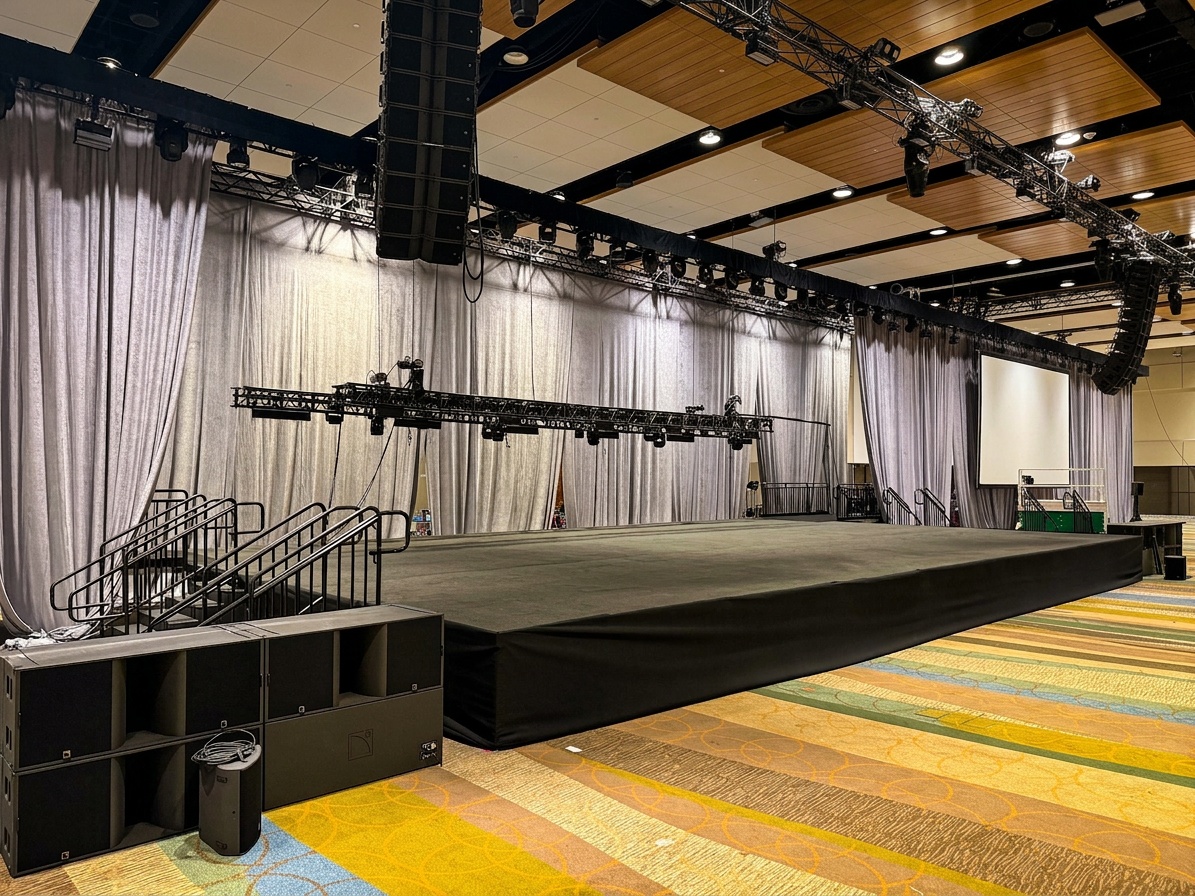
Indoor conference stage setup showing professional presentation area with tiered audience seating and audio equipment visible

Church services and worship events use risers for choir seating and congregation overflow. Award ceremonies need them so guests can see award recipients on stage. Concert festivals use them to create VIP viewing areas with better sight lines than general admission. Fashion shows sometimes incorporate risers as audience seating that wraps around runway perimeters.

The common thread across all these applications is simple: when it matters that people see clearly, risers deliver. When it doesn’t matter much (cocktail receptions, networking mixers, open houses), flat floor seating works fine and costs less. Know what you actually need before you book.

The Science of Sight Lines: How Riser Height Affects Visibility

Here’s what most event planners don’t think about until it’s too late. The relationship between stage height, riser tier height, and audience distance determines whether your sight lines work or fail. We learned this the hard way years ago when a client insisted on 6-inch tier risers for an event with a 24-inch stage. The math didn’t work. The back rows couldn’t see over the front rows clearly, even with the elevation.

The rule of thumb we follow now: for every foot of distance from the stage, you need approximately one inch of tier height to maintain clear sight lines over previous rows. So if your first row sits 10 feet from the stage and your second row sits 14 feet back, you need at least 4 inches of elevation on the second tier. This assumes standard chair seating heights and average adult sight lines.

Venue ceiling height complicates this calculation. Indoor spaces with 10-foot ceilings limit how high you can build back-row tiers before attendees on the top tier hit their heads on ductwork or light fixtures. We typically cap riser configurations at 48 inches total height for venues with standard ceilings. Outdoor events or venues with vaulted ceilings give us more flexibility to build higher tiers for stadium-style seating.

Theater workshop or performance space with black audience seating arranged in tiered configuration facing stage with red and black set pieces

At the Mastoris event at the Celeste Hotel in February 2026, we dealt with a unique sight line challenge. The venue had pillars scattered throughout the space that would’ve blocked views for flat floor seating. By configuring risers with deliberate gaps and angles, we routed sight lines around the pillars so every seat maintained a clear view of the stage. The client appreciated that we measured the pillar positions during our site visit and planned the layout accordingly. That kind of pre-planning is the difference between a smooth install and a day-of headache.

Outdoor bleacher rental in Central Florida introduces additional variables. Sunlight angle matters for afternoon events, so we orient risers so attendees don’t stare directly into the sun during key moments. Wind load becomes a factor for tall riser configurations at open-air venues, requiring additional ballast or anchoring. Rain drainage is another consideration, so we slope outdoor riser platforms slightly to prevent water pooling.

Safety, Accessibility, and Code Compliance in 2026

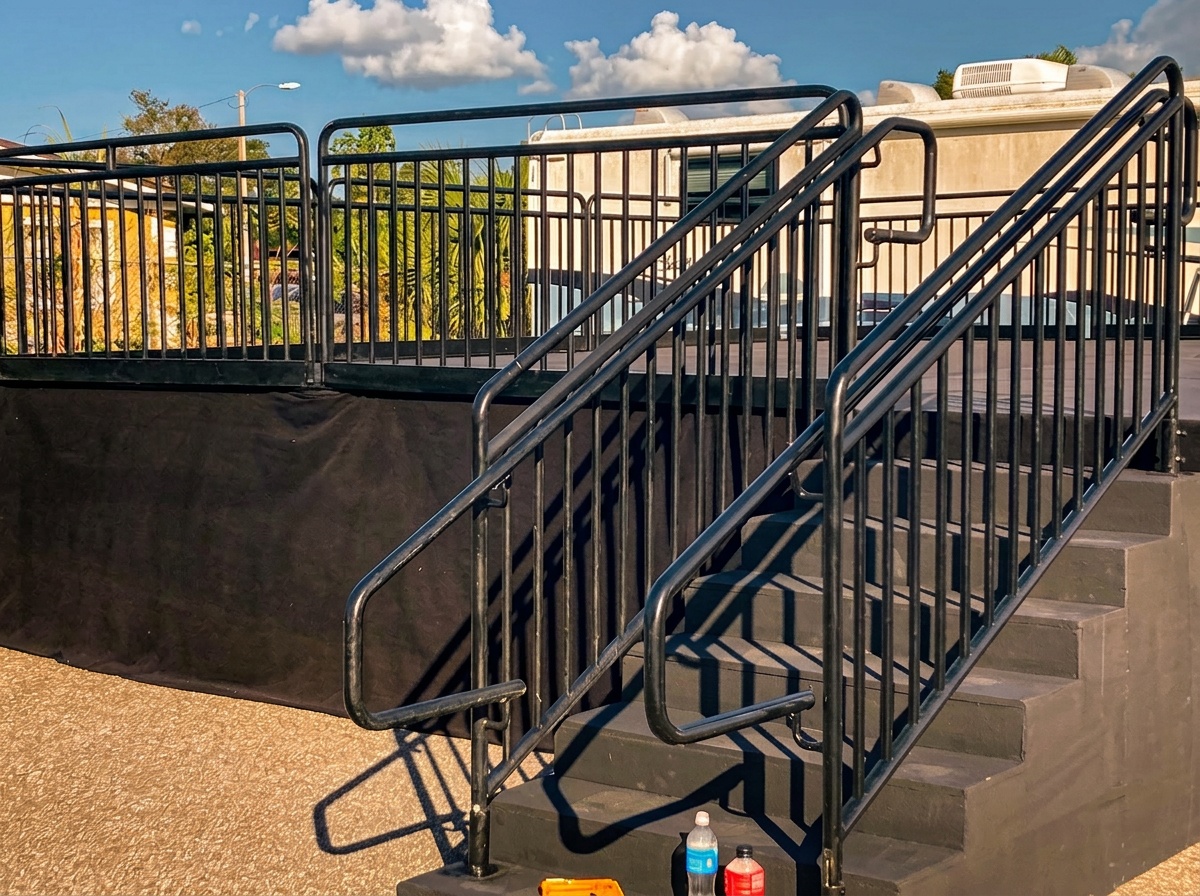
Any riser configuration taller than 30 inches requires guard rails on exposed edges. This isn’t a suggestion. It’s code. We install guard rails that meet or exceed local safety standards, typically 42 inches tall with intermediate rails to prevent falls. For events with children, we sometimes add infill panels to close gaps that small kids might slip through.

ADA compliance for audience seating means providing accessible viewing positions that don’t isolate guests with mobility challenges. We achieve this by designating flat areas adjacent to risers for wheelchair seating at the same elevation as the first tier. This gives wheelchair users the same sight line advantages as seated guests on the first riser level. For larger events, we create multiple ADA positions throughout the seating area rather than clustering all accessible seating in one location.

Load capacity calculations matter more than most planners realize. When we say a riser section supports 125 pounds per square foot, that includes the weight of chairs, attendees, and any movement or impact loading when people sit down or shift position. We never max out capacity ratings. For a 4×8 riser section rated at 125 PSF, we plan for about 80 to 85 percent of theoretical capacity to maintain safety margins. That buffer is there for a reason.

Stair rental integrates with riser setups to provide safe access to elevated tiers. We install stairs with handrails on at least one side, and for taller configurations, we add stairs at multiple points so attendees don’t have to navigate around the entire riser bank to reach their seats. This also speeds up egress if attendees need to exit quickly.

At the Perry event in Apopka, the venue required us to submit engineering drawings showing load paths and structural integrity before they approved the install. This happens occasionally at higher-end venues or when configurations exceed standard heights. We keep licensed engineers on call who can stamp drawings when venues or insurance requirements demand it.

Combining Risers with Other Staging Elements for a Complete Setup

Risers rarely work alone. Most events pair them with performance stages, presentation platforms, or runway setups. The key is coordinating heights and positions so the entire system creates a cohesive viewing experience. For a dance competition, we typically install risers facing a stage that sits 24 to 36 inches high. This gives judges and parents elevated views without making performers feel like they’re in a pit.

Pipe and drape rental integrates with risers to create defined seating sections or hide backstage areas from audience view. At corporate events, we often run pipe and drape along the sides of riser banks to create VIP sections or separate general admission from reserved seating. For graduations, pipe and drape conceals the processional staging area until the ceremony begins.

Performance staging rental works hand-in-hand with audience risers. When we plan both elements together, we can optimize sight lines by adjusting stage height relative to riser tiers. A 36-inch stage with five-tier risers creates different sight lines than a 24-inch stage with the same risers. We run those calculations during the quote phase to recommend the combination that maximizes visibility for your specific venue.

Lighting packages benefit from tiered seating layouts because elevated audience positions give lighting designers clearer throw paths. When attendees sit at varying heights, we can position lights to illuminate the stage without blinding the audience or creating harsh shadows. At concert events, we sometimes mount lights on riser support structures to achieve specific effects.

Audio equipment positioning changes with riser configurations too. Speaker arrays need to cover a larger vertical range when you have five tiers of seating versus flat floor seating. We work with audio techs to position speakers so sound reaches back-row attendees clearly without overpowering the front rows.

Orlando Venue Considerations: What Changes Between Indoor and Outdoor Setups

Central Florida venues present unique challenges for riser installations. Indoor hotel ballrooms often have low ceilings with chandeliers or decorative fixtures that limit vertical clearance. Convention centers give us more headroom but may have concrete floors that require special anchoring for tall riser banks. Outdoor venues at parks or amphitheaters deal with uneven ground that needs leveling before we can build stable riser platforms.

The Celeste Hotel venue where we did the Mastoris event had patterned carpet that created optical illusions under certain lighting. We placed solid-color carpet runners under riser feet to eliminate visual distractions and provide stable footing. Small details like that separate a professional install from something that just looks off.

Weather contingencies matter for outdoor events. Florida thunderstorms roll in fast during summer months. We secure outdoor riser configurations with additional tie-downs and ballast so sudden wind gusts don’t shift platforms. For multi-day outdoor events, we inspect and re-level risers each morning because ground settling overnight can affect stability.

Some Orlando-area venues we work with regularly have specific requirements worth knowing about. The Rosen Centre enforces strict floor protection rules. Valencia’s theater spaces have existing fixed seating that limits where we can place portable risers. UCF venues often require proof of insurance beyond standard coverage. Knowing these venue-specific details helps us plan accurate timelines and avoid surprise delays on the day of the install.

Pricing and Planning Timeline for 2026 Events

Audience riser rental pricing in Central Florida varies based on configuration complexity, total tier count, venue location, and event duration. A basic single-tier setup for 50 attendees costs considerably less than a five-tier stadium configuration for 300 people. We quote projects individually after discussing your venue, expected attendance, and sight line requirements.

Lead time for booking risers depends on the season and event size. Graduation season (April through June) and holiday events (November through December) book out earliest. For 2026 spring graduations, we recommend securing riser rentals at least eight weeks in advance. Summer and fall events often have shorter lead times, sometimes as little as two to three weeks for standard configurations.

Setup and strike timelines vary by complexity. A three-tier riser bank for 100 attendees takes our crew about two to three hours to install, assuming clear access and level flooring. Larger configurations with five or more tiers, multiple stair units, and guard rails can take four to six hours. We factor those timelines into delivery schedules so your venue is ready when you need it.

Delivery logistics matter more than many planners expect. Riser components are heavy and bulky. Venues with loading dock access speed up delivery considerably. Sites that require hand-carrying components up stairs or through narrow hallways add time and labor costs. During your quote consultation, we ask about venue access so we can plan realistic delivery windows.

Choosing the Right Riser Configuration for Your Specific Event

Start with your audience size and venue dimensions. Measure the available floor space for riser placement and the distance from that space to your stage or presentation area. Count expected attendees and allow approximately 24 inches of width per person for comfortable seating. If you expect 200 attendees and have 40 feet of width available, you need about five rows of seating, which translates to a four or five-tier riser configuration.

Consider ceiling height next. Measure from floor to the lowest ceiling obstruction (ducts, lights, sprinklers) in the area where you plan to place risers. Subtract 7 feet to allow adequate head clearance for attendees on the tallest tier. The remaining height tells you your maximum total riser elevation.

Think about your event type and how it affects viewing priorities. Graduations need clear views of the stage where diplomas are handed out. Dance competitions require visibility of floor-level choreography. Corporate presentations focus attention on speaker faces and projection screens. Each scenario creates a different optimal sight line angle, and honestly, getting that angle right upfront is a lot easier than trying to fix it after the crew is already on-site.

Budget realistically for the configuration you actually need. Starting with a minimal riser setup to save money often backfires when half your attendees complain about blocked views. We’ve seen clients add tiers mid-event, which costs more and disrupts attendees. Better to plan properly upfront.

During your consultation with us, we ask about all these factors. We have photos and diagrams showing different riser configurations in venues similar to yours. Most clients find it helpful to see real examples rather than trying to visualize abstract tier counts and heights. Visit our how to get a quote page to start that conversation.

Planning an event in Orlando where audience visibility matters? Proper tiered seating makes the difference between frustrated attendees and engaged participants who can actually see what’s happening on stage.

Contact Stages Plus at 407-442-0254 or visit our audience riser rental page to discuss riser configurations that maximize sight lines for your 2026 event. Our team has installed audience seating systems at hundreds of venues across Orlando, Winter Park, Tampa, and surrounding areas. We know how to configure risers for your specific venue, audience size, and sight line requirements.

Filed Under: Blog

Nine Expert Tips for Planning a Large Event

October 24, 2024 by admin

Planning a big event can feel like a monumental task, but with the right preparation, you can ensure that everything goes off without a hitch. Whether you’re organizing a large corporate event, a wedding, or a music festival, there are a lot of moving parts to manage. In this guide, we’ll walk you through everything you need to consider – from budgeting to to securing the best staging solutions for large events.

1. Set a Realistic Budget

The first step to planning any successful event is creating a realistic budget. Large events can easily go over budget if you’re not careful, so it’s crucial to break down every potential expense. Think about costs for the venue, catering, entertainment, transportation, decor, and, most importantly, event stage setups.

How to create a budget:

  • List all potential costs in categories (venue, food, entertainment, etc.)
  • Get quotes from vendors early so you can have accurate numbers.
  • Set aside a portion of your budget for unexpected expenses.

Don’t forget that staging solutions for large events and AV equipment are often necessary for larger events. You’ll want to ensure your budget can cover these important components as well.

Pro Tip: Include a 10-20% buffer in your budget for unplanned expenses. This ensures that if something comes up last-minute, you’re prepared financially and can make adjustments as needed.

2. Choose the Right Venue

Your venue choice is a major factor in the success of your event. The right venue sets the mood and ensures your guests have enough space to move around comfortably. Whether your event is indoors or outdoors, the venue should align with your event’s theme and provide adequate support for vendors and equipment, especially when you’re arranging stage hire for larger events.

Key things to consider when selecting a venue:

  • Capacity: Make sure the venue can comfortably accommodate your guests.
  • Location: Choose a venue that’s easy for your attendees to get to.
  • Amenities: Does the venue offer enough parking, restrooms, and catering options?
  • Accessibility: Ensure the venue is accessible for people with disabilities, including entrances, seating areas, and restrooms.

Also, consider whether the venue can handle the technical needs of your event, such as electricity for lighting and sound systems. It’s essential to check if the venue can accommodate stage rentals, lighting rigs, and other equipment.

Pro Tip: If your event is outdoors, make sure the venue has contingency plans in place. Weather conditions can change quickly, and it’s important to have options for covering your stage or moving indoors if necessary.

3. Lock Down Your Event Date Early

One of the first steps in planning your event is to secure a date. Popular venues and vendors can book up months (or even a year) in advance, so locking in your event date should be a priority. Once you have a date, you can start booking the other essentials like the stage rental, entertainment, and catering.

What to consider when setting the date:

  • Does your chosen date conflict with other major events or holidays that could affect attendance?
  • Does the date give you enough time to plan and promote the event effectively?
  • Will your key vendors, including stage rental companies, be available on that date?

Finalizing your event date early allows you to work out the logistics well in advance. You can also build a timeline for your event, so you know when key tasks need to be completed.

4. Select the Right Stage for Your Event

The stage is often the centerpiece of large events, so choosing the right stage rental is crucial. Whether it’s a live performance, keynote speech, or awards ceremony, the stage you choose should fit the needs of your event and venue.

Considerations when choosing a stage rental:

  • Size: The stage should be large enough to accommodate performers, speakers, or presentations without feeling cramped. At the same time, avoid choosing a stage that’s too big for your space or audience.
  • Height: The height of the stage impacts visibility for the audience. If you’re hosting an event for a large crowd, a taller stage ensures everyone can see the action.
  • Stage Surface: For outdoor events, consider stages with weather-resistant surfaces. Non-slip surfaces are also essential for safety, especially if you have performers moving around on stage.

Also, check with the stage rental company to see if they offer additional services such as stage setup, breakdown, and on-site support.

Pro Tip: Ask your stage rental provider if they offer customizable stage designs that match the theme of your event. A tailored look can enhance the aesthetic appeal of the stage and tie it into your overall event decor.

5. Plan Your AV and Lighting Setup

Good sound and lighting are essential for any large event. The quality of your AV (audio-visual) setup can make or break the experience for your guests. Whether you’re hosting a concert, conference, or wedding, clear sound and proper lighting are nonnegotiable.

Tips for sound and lighting:

  • Sound system: Invest in high-quality speakers, microphones, and mixing boards to ensure that everyone can hear clearly. Test the sound system before the event to avoid any issues.
  • Lighting: Lighting sets the mood and can direct attention to key moments, such as performances or speeches. Stage lighting, in particular, is important for making sure the main action is well-lit and visible to all attendees.

When booking your stage rental, ask if they offer packages that include lighting and sound equipment. Many stage rental companies provide this service, which can simplify your planning process.

Pro Tip: For outdoor events, make sure you have power backup options in case of electrical issues. Having a generator on hand can be a lifesaver if anything goes wrong.

6. Coordinate with Vendors Early

Working with multiple vendors can be one of the most challenging aspects of planning a large event. From the caterers to the AV team, everyone needs to be in sync. Start communicating with vendors early to ensure everything is in place well before the big day.

Vendor coordination tips:

  • Send a detailed event timeline to all vendors so they know when they need to arrive, set up, and break down.
  • Schedule a final walkthrough with all vendors to review logistics like the stage setup, lighting, and sound.
  • Make sure you have a primary point of contact for each vendor in case any issues arise on the event day.

Pro Tip: Create a checklist of all vendors and what they’re responsible for to avoid any last-minute confusion.

7. Plan for Accessibility and Comfort

A well-planned event takes into account the needs and comfort of all attendees. Ensure that your event is accessible to people with disabilities, whether that means providing ramps for your stage or ensuring that there are accessible restrooms.

Additional comfort tips:

  • Provide adequate seating for guests, especially for longer events.
  • Make sure there are shaded areas or tents for outdoor events to protect guests from the sun.
  • Offer hydration stations where guests can grab water, especially for outdoor events.

When it comes to your stage rental, check that the stage is accessible for performers or speakers who may need ramps or other accommodations.

8. Promote Your Event Effectively

No matter how well you plan, your event won’t be a success if people don’t know about it. A solid promotion strategy ensures you get the word out and draw in your target audience.

Event promotion tips:

  • Leverage social media: Create event pages on platforms like Facebook and Instagram to share updates, event details, and promotions.
  • Use email marketing: Reach out to your audience with event invites, reminders, and exclusive updates.
  • Partner with influencers or community leaders who can help spread the word.

9. Have a Backup Plan

Even with perfect planning, sometimes things go wrong. Weather, technical issues, or unexpected vendor cancellations can throw a wrench in your plans. That’s why it’s important to always have a backup plan in place.

Common backup plans:

  • Outdoor events: Have an indoor alternative or tent ready in case of bad weather.
  • Stage rental issues: Confirm with your rental company that they have replacement equipment in case of any stage issues.

Final Thoughts

With these tips, you’ll be well-prepared to handle every detail for your event. Remember, the key to a successful event is preparation and flexibility. And if you need any help with stage rentals or AV setups, we’re here to help!

Looking to book your stage rental for your next big event?

Contact us today to learn more about our services.

Learn more

Filed Under: Blog

Pool Stage Cover with Railing

August 15, 2019 by Melanie Torres

We recently installed a 16×16 pool stage cover! Doing pool covers are one of our favorite things to do at Stages Plus, not only because it mellows out the Florida heat but because we love seeing our clients reactions.IMG_1453

Adding custom pool stage covers to your event increases your event space drastically. Don’t worry about losing space because of a pool, instead just cover it! Pool covers will give you that extra space to add those extra tables you may need or even a dance floor for guests.  Pool covers are perfect for weddings, corporate events, parties, and more!

Our team of professionals will ensure your pool stage cover is installed as safe as possible for every kind of use.

Check out our Youtube video of this install!

Filed Under: Blog Tagged With: #community, #local, #orlando, #orlandorentals, #stage, cover, pool, pool cover

Dance Competition Stage

July 3, 2019 by Melanie Torres

IMG_9966-horizontalLast week our team at Stages Plus had the opportunity to build a stage for a dance competition near Disney. Not only did we build a 36×56 stage, but we provided our client with skirting, guard rails, stairs, pipe and drape, trussing, marley, lighting, and video! We began our night, or morning you could say, at 1:30 am. We loaded in our decks and got to installing. 


IMG_0133Once we finished setting up the stage decks we began rolling out the reversible black marley to give the dance stage a matte finish. Marley is widely used across the staging industry, especially for stages that dancers will be on because it is slip-resistant and highly durable.


After that, we set up trussing, guard rails, stairs, pipes and drapes and skirting. Our trussing was used to hold stage banners for the event. We closed off the stage with guard rails and added stairs for the performers. Pipe and drape and skirting were put up around the stage to finish it off. We had an awesome time setting up this structure for our client!

Here are some more pictures from our set up!

Check out our youtube video of the setup!


Filed Under: Blog Tagged With: #arts, #audienceriser, #choirriser, #community, #local, #orlando, #orlandorentals, #stage, #stageexpansion, black, marley, scratch-resistant

Community Arts Event

June 17, 2019 by Melanie Torres

cfc arts stageThis past weekend we had the pleasure of working with a local community arts organization to help them prepare for their Symphonic Broadway event. When we first arrived at the theater, we began to build on an already existing stage they had. Their organization has grown so much over the past couple years that we needed to add extensions to their stage. We were able to add custom stage extensions to expand their stage size and allow the performers to have more space. We also provided this organization with stage risers, also known as audience risers, for their orchestra (as you can see in the picture of the musicians at different levels). Of course, when you have a stage you need stairs so we added stairs on both sides of the stage with guard rails for extra safety.


P6-6-19 CFCArts 2019ictured on the right is a 3-D model of the stage we set up. We can provide these 3-D models for any type of set up we do. It allows our team and customers to see what they’re getting ahead of time. In the picture, you can see the stage shape, tiered risers, conductor riser and stairs with guard rails we provided for this customer.

Here are some pictures of our team setting up for this event.

IMG_3090  IMG_3088  IMG_3089

If you’re ever in need of a stage, audience risers (choir risers, orchestra risers, etc.), give us a call!  At Stages Plus, we love helping out local non-profit organizations create memorable events! Let us help your organization make a lasting impression in your local community.

Filed Under: Blog Tagged With: #arts, #audienceriser, #choirriser, #community, #local, #nonprofit, #orlando, #orlandorentals, #stage, #stageexpansion

  • « Previous Page
  • 1
  • 2
  • 3
  • 4
  • 5
  • Next Page »

Get Quote / Contact

Popular Stage Sizes

  • 8ft Stage Sizes
  • 12ft Stage Sizes
  • 16ft Stage Sizes
  • 20ft Stage Sizes
  • 24ft Stage Sizes

Blog

  • Budget-Friendly Stage Rental Options for Non-Profit Events in Central Florida
  • Concert Stage Rental Packages: What’s Included vs. Add-On Services in Orlando
  • Florida’s Rainy Season: Why a Covered Stage Rental Is Non-Negotiable

Search


Privacy Policy

Warehouse / Office

6848 Stapoint Ct.
Winter Park, FL 32792
407-442-0254

Located in the Eastpoint Industrial Park
Map

Delivery, Setup, Tear Down

Orlando, DeLand, Deltona, Kissimmee, Sanford, Altamonte Springs, Apopka, Ocoee, Oviedo, St. Cloud, Winter Garden, Winter Park, Winter Springs, Titusville, Melbourne, Palm Bay, Winter Haven, Lakeland, Seminole, Orange, Osceola, Lake, Polk, Volusia, Brevard.

Copyright © 2026 · Modern Portfolio Pro Theme on Genesis Framework · WordPress · Log in